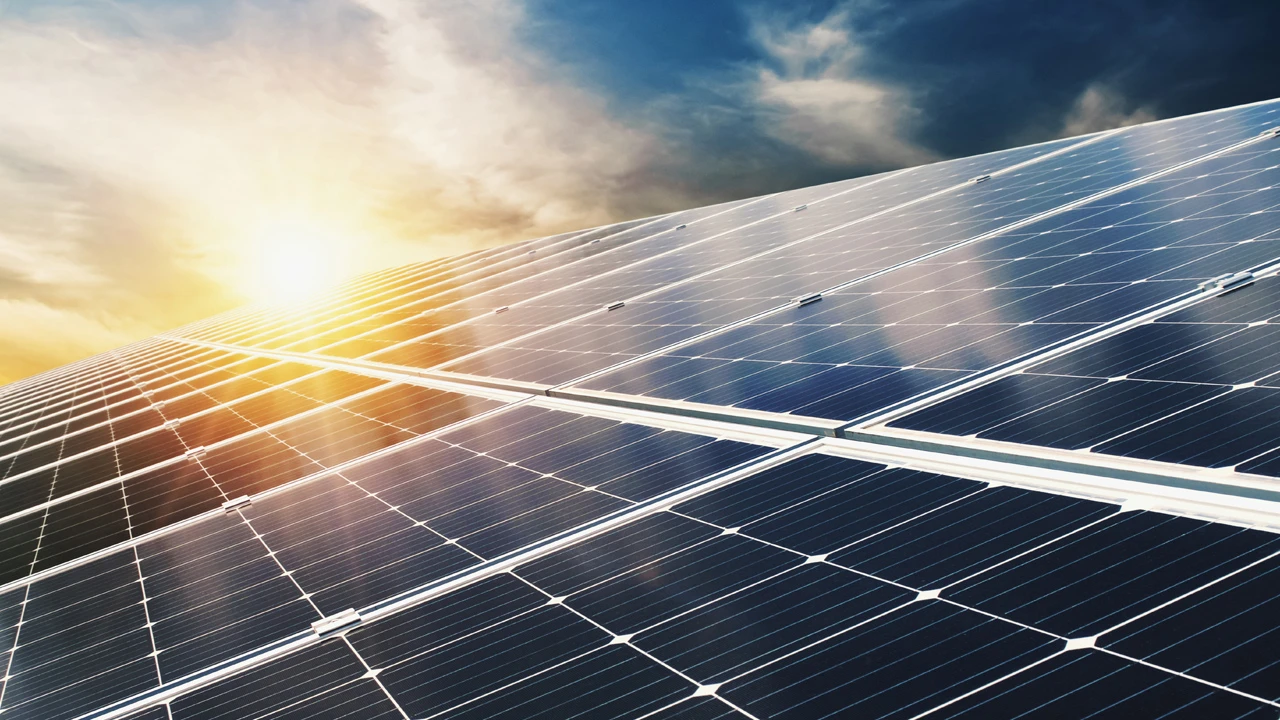
Solar panels convert sunlight into electricity that can be used in homes, businesses and industrial facilities. The process is silent, produces no emissions during operation and relies on a resource that is widely available in the Republic of Moldova.
Although a photovoltaic system looks simple from the outside, every kilowatt-hour it produces is the result of a carefully coordinated technical process. Below, we explain how sunlight becomes electricity for a building.
The photovoltaic effect: where it all begins
Solar panels work through the photovoltaic effect. Each panel consists of multiple photovoltaic cells, most commonly made of silicon, a semiconductor material.
When photons from sunlight reach a cell, they transfer energy to electrons in the material. The electrons begin to move, while the electric field inside the cell directs them in one direction. This movement generates direct current.
A typical photovoltaic cell contains two differently treated layers of silicon:
- the N-type layer, which has an excess of electrons;
- the P-type layer, which has a shortage of electrons;
- the P-N junction, where the two layers meet and the electric field required to generate current is formed.
Both P-type and N-type solar cells are available on the market. N-type cells generally offer higher efficiency and lower degradation over time, but cell type is only one factor to consider. Module quality, the manufacturer's warranty, installation conditions and the balance between cost and performance are equally important.
From direct current to usable electricity
The electricity produced by the panels passes through several stages before it reaches the building's sockets:
- The panels capture sunlight. Photovoltaic cells generate direct current (DC).
- The inverter converts the electricity. DC is converted into alternating current (AC), which is compatible with the building's electrical system and the public grid.
- The electricity is used on site. Depending on the system configuration, appliances use the electricity being produced at that moment.
- Surplus electricity is managed. Electricity that is not used immediately can be exported to the grid under the applicable scheme or stored in a battery, if one is installed.
- Any shortfall is covered. When solar production is insufficient, the building draws electricity from the grid or a battery.
Production varies according to the season, time of day, temperature, panel orientation and tilt, shading and weather. Solar panels still generate electricity on cloudy days, but their output is lower than in clear conditions.
Components of a photovoltaic system
A complete system includes more than panels. Depending on the project, it may contain:
- photovoltaic panels, which convert sunlight into direct current;
- an inverter, which converts the current and controls the system;
- a mounting structure, designed for a roof or ground installation;
- cables, connectors and electrical panels, selected for safe DC and AC operation;
- protection equipment, including surge protection and isolation devices;
- a meter and monitoring system, used to track production and consumption;
- a battery, optionally installed to store some of the electricity produced.
The quality of the design and installation directly affects the system's safety, output and service life. The proposed capacity should therefore be based on the actual consumption profile, available space and technical grid-connection conditions.
What are the benefits of solar panels?
- Lower electricity bills: self-consumption reduces the amount of electricity purchased from the grid.
- More predictable costs: part of the building's demand is covered by on-site generation, reducing exposure to price fluctuations.
- Low maintenance: a properly designed and installed system generally needs only periodic checks and limited intervention.
- Long service life: high-quality panels are designed to operate for 25–30 years or longer, with a gradual decline in output.
- Lower environmental impact: generating solar electricity locally helps reduce the use of fossil fuels.
A good system starts with a good design
Two buildings with similar roofs may have very different energy needs. A larger system is not automatically a better investment, while an undersized system may not deliver the expected savings. Consumption analysis, a roof survey, equipment selection and a realistic production estimate are essential before installation.
Megawatt.md provides complete photovoltaic consulting, design, installation and maintenance services throughout the Republic of Moldova. We assess consumption and site conditions to propose a safe, efficient solution suited to the client's budget.
Contact us for a personalised assessment and find out which system is right for your home or business.