A photovoltaic system can reduce energy costs and reliance on the grid, but good results begin with a proper assessment. The decision involves more than choosing the number of panels: consumption, roof condition, orientation, budget and grid-connection requirements all need to be considered.
This guide explains the main steps for homeowners in the Republic of Moldova who are considering a photovoltaic system.
1. Understand what a photovoltaic system produces
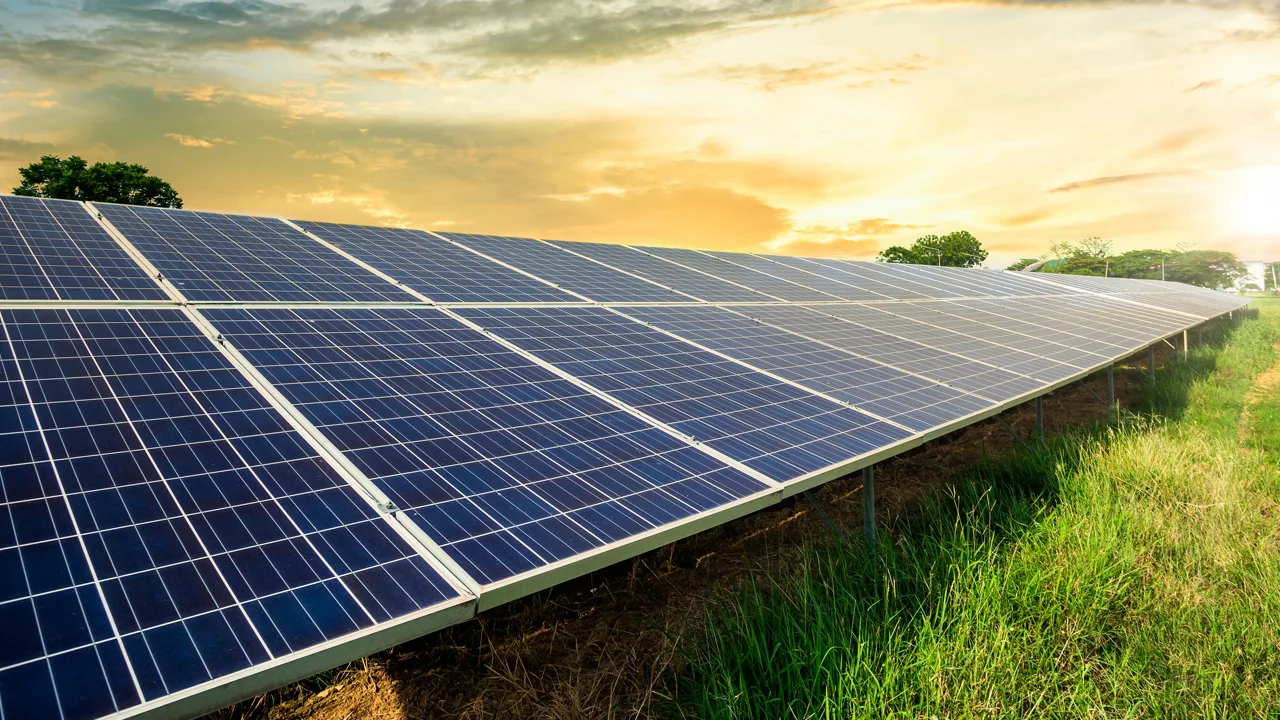
Photovoltaic panels convert sunlight into electricity. They generate direct current, which an inverter converts into the alternating current used by household appliances.
The system produces electricity during daylight hours. When production and consumption occur at the same time, the electricity is used directly in the home. Surplus production can be exported to the grid or stored in a battery, if one is installed. At night and whenever production is insufficient, the home draws electricity from the grid or the battery.
Photovoltaic panels, which produce electricity, should not be confused with solar thermal collectors, which heat water.
2. Analyse the home's actual consumption
Before requesting a quote, collect at least 12 months of electricity bills. Annual consumption matters, but so does the time of day when the electricity is used.
List the major loads and their usual operating schedules:
- electric water heater;
- heat pump or air-conditioning unit;
- electric hob and oven;
- well or irrigation pump;
- electric vehicle;
- equipment that runs continuously.
If most consumption occurs during the day, the self-consumption rate can be high. If the home uses most of its electricity in the evening, it may be useful to reschedule certain appliances or consider a battery.
3. Check the roof and installation site
A specialist should assess:
- the orientation and tilt of the surface;
- shade from trees, chimneys, buildings or other obstacles;
- the available area;
- the condition of the roof covering and supporting structure;
- cable routes and a suitable location for the inverter;
- the option of a ground-mounted system if the roof is unsuitable.
A roof that requires repair should be renovated before the panels are installed. Removing and reinstalling the system later will add unnecessary cost.
4. Select the right system capacity
A larger system is not always a better investment. Capacity should reflect the consumption profile, estimated production, available space and grid-connection rules.
Ask for a simulation that shows at least:
- estimated monthly and annual production;
- the expected self-consumption rate;
- the amount expected to be drawn from the grid;
- estimated surplus exported to the grid;
- projected savings based on clearly explained assumptions;
- an indicative payback period.
Treat quotes that guarantee a specific saving without analysing the bills and site with caution.
5. Choose equipment using clear criteria
Price matters, but it should not be the only consideration. Compare:
- panel capacity and efficiency;
- product and performance warranties;
- inverter compatibility with the proposed design;
- the monitoring system included;
- electrical protection equipment;
- local service and spare-parts availability;
- the installer's experience;
- the workmanship warranty.
A battery is valuable in certain situations, but it is not essential for every system. Ask for a separate assessment of its cost, usable capacity, expected cycle life and backup capability during a grid outage.
6. Clarify grid connection and paperwork
In the Republic of Moldova, a grid-connected installation must comply with the system operator's requirements and be supported by the appropriate supplier agreements. The process may involve applying for a connection permit, installing metering equipment and having the installation inspected.
Net-billing conditions and applicable capacity limits may change. Confirm the latest information with ANRE, the system operator and the supplier before approving the project. A reliable installer should explain the process and each party's responsibilities.
7. Make safety a priority during installation
The work should be completed by qualified personnel in accordance with the design and technical requirements. At handover, request:
- the system diagram and project documentation;
- equipment data sheets and certificates;
- warranties;
- commissioning and acceptance documents;
- access to the monitoring application;
- clear shutdown and emergency instructions.
Do not alter the installation or work on electrical components without a qualified specialist.
8. Monitor and maintain the system
Check the inverter application periodically and compare production across similar periods. An unexpected drop may indicate new shading, dirt, an outage or a technical fault.
Solar panels do not need to be washed on a rigid schedule. Cleaning requirements depend on dust, pollen, birds, rainfall and panel tilt. Use a professional team for panels installed at height or in a difficult-to-reach location.
From an idea to a properly planned project
Solar energy is a long-term investment. A good decision relies on real data, suitable equipment and safe installation rather than broad estimates.
Megawatt.md provides photovoltaic consulting, design, installation and maintenance services throughout the Republic of Moldova. Contact us for a consumption and site assessment, as well as a proposal designed for your home.